

International Blended Intensive Programme Brings Fresh Thinking to Bioeconomy Education
From 22–27 March 2026, Maynooth University hosted a Blended Intensive Programme (BIP), led by Dr, Máire Nic an Bhaird (BiOrbic Education & Public Engagement Challenge Lead), bringing together students, educators and researchers from Maynooth University, the University of Padova and the University of Eastern Finland for a collaborative week focused on sustainability, education and the circular bioeconomy.
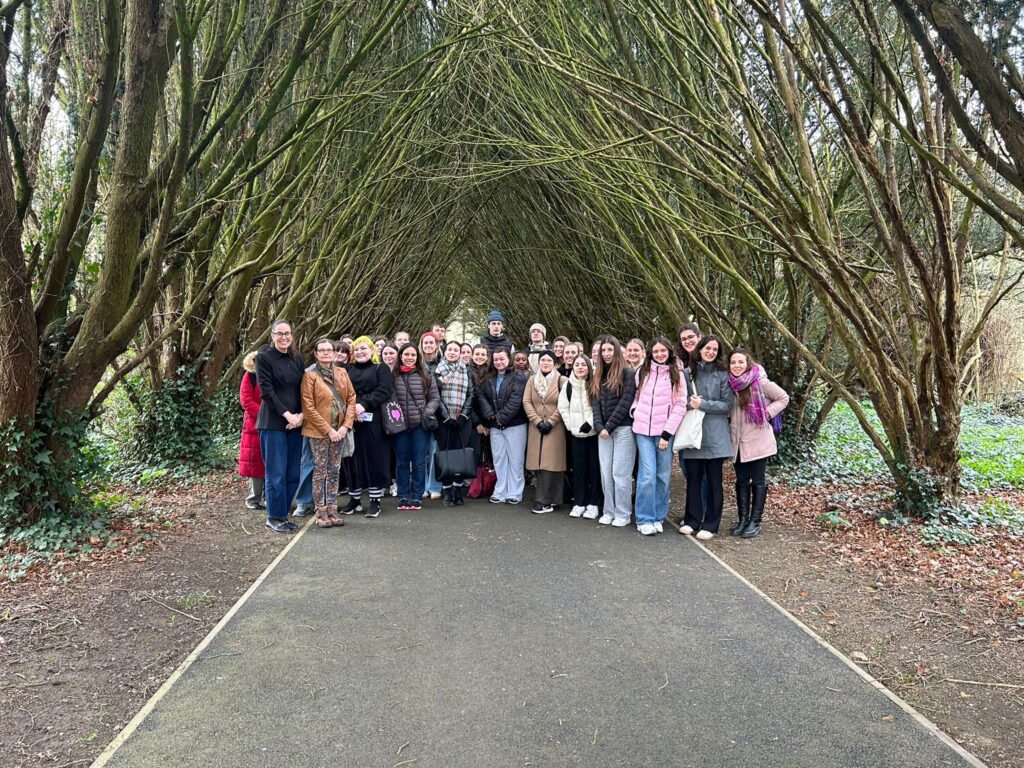
The programme emphasised international collaboration and practical engagement with sustainability challenges. Participants explored how complex issues such as biodiversity loss, waste and resource use can be communicated in more accessible and creative ways.
A highlight of the week was a session by Jane Stout of Trinity College Dublin (BiOrbic Healthy Ecosystems Challenge Lead), who highlighted the importance of protecting biodiversity within sustainable development. Contributions from European partners also reinforced the value of shared approaches to bioeconomy education.
Learning extended beyond the classroom, including a visit to Lullymore Heritage Park, where participants explored the environmental and cultural importance of Irish peatlands. Creative workshops in areas such as craft and communication encouraged hands-on engagement with sustainability and highlighted the role of culture and tradition in shaping environmental awareness.
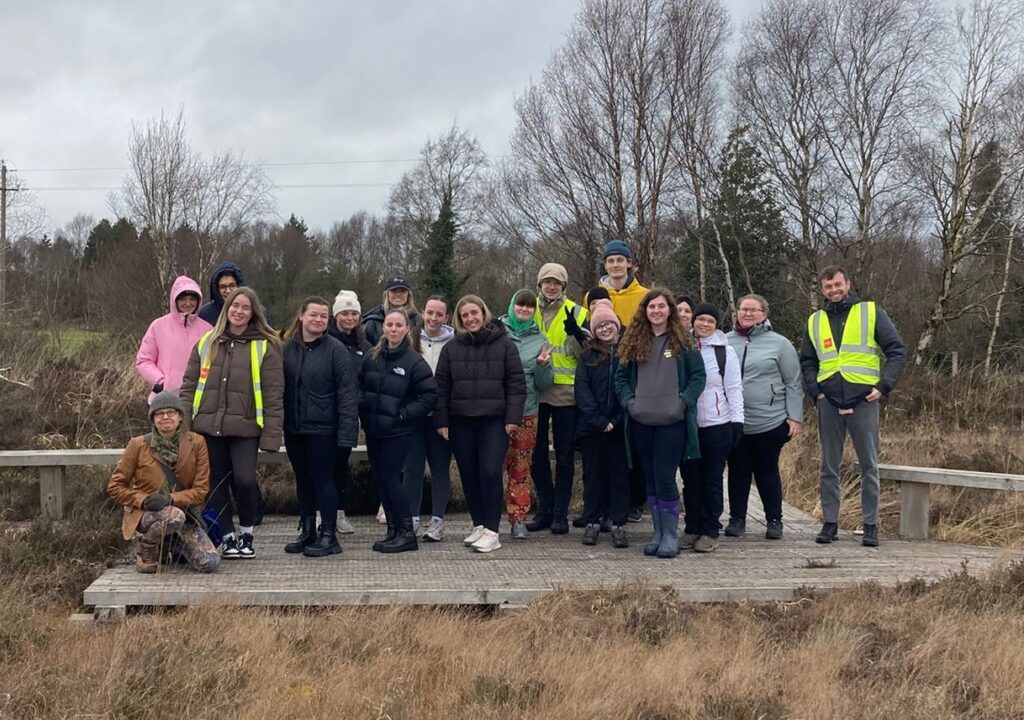
The programme brought together a diverse group including teachers, student teachers, researchers and policymakers, supporting dialogue across sectors and perspectives.
Dr. Nic an Bhaird stated “The Blended Intensive Programme was characterised by an exceptional level of student engagement and enthusiasm, with participants demonstrating a strong openness to interdisciplinary and peer-based learning. A particularly enriching dimension was the contribution of students from the University of Eastern Finland, whose expertise as craft specialists brought depth and authenticity to our exploration of materiality, tradition and sustainability. It was a genuine pleasure to learn alongside them. The programme also highlighted the richness of languages, cultures and identities within the group, and how these are deeply interconnected with the principles of the bioeconomy. This created a learning environment that was both intellectually rigorous and personally meaningful. It was a privilege to be part of such an important initiative, particularly in supporting future primary school teachers to engage with and deliver circular bioeconomy education in the classroom.”
The Blended Intensive Programme is a Bioeconomy Education and Sustainability Teachers Network (BEST) initiative. If you would like to sign up to their newsletter, you can so so here.