

Treated native grain can cut feed costs and emissions
Feeding animals efficiently is one of the biggest costs in farming, and getting it right makes a real difference to performance, profitability and sustainability.
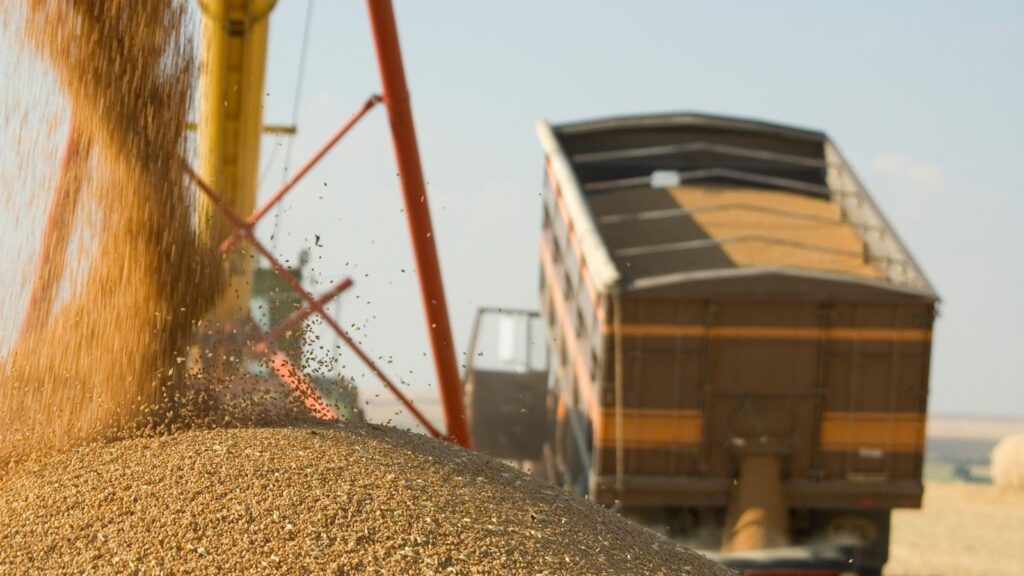
New research has found that treating home-grown grain with organic acids can help farmers lower feed costs and reduce emissions without affecting grain quality during storage.
The results will be shared at a research seminar at UCD Lyons Farm on Wednesday, 6th May. The event will bring together researchers, industry experts and farmers from Ireland and Denmark.
A major part of the study looked at feeding treated grain to pigs at all stages of growth. The research found that this approach could reduce the carbon footprint of pig production by around 10% on commercial farms. It also showed benefits for animal health, feed efficiency and overall farm profitability.
Dr. Shane Maher of Adesco Nutricines, and formerly BiOrbic, said the findings highlight a practical opportunity for the sector.
“Grain drying is one of the most energy-intensive steps in feed production and with the volatility in energy prices recently, it has become an increasingly significant cost for farmers and feed producers.
“What this research shows is that there is an alternative. We can preserve grain after harvest, maintain its quality and at the same time significantly reduce the emissions associated with grain processing.”
Maher added that the benefits extend beyond the grain store and into the wider production system.
“When treated grain is carried through into pig diets, we also see improvements in animal health, growth performance, and feed efficiency, alongside emission reductions at farm level. That’s where this becomes a real opportunity; it’s not just about processing, it’s about improving the efficiency of the entire system.”
The seminar will include presentations from Prof. John O’Doherty and Dr. Ruth Connolly of UCD, alongside Maher, outlining the key findings from the Irish research programme.
An international perspective will be provided by Prof. Søren Krogh Jensen of Aarhus University, who will offer insights from Denmark on sustainable livestock and feed systems. Representatives from Vestjyllands Andel, one of Denmark’s leading feed cooperatives, will also share their practical commercial experience of using treated grain in pig diets.
The event will begin with registration and refreshments at 1:00pm, followed by presentations, discussions and networking throughout the afternoon. Farmers, grain processors and wider industry stakeholders interested in attending can register through Eventbrite or contact Shane Maher directly at shane.maher@adesco.ie to book a place.
This research is the outcome of a four-year collaboration between University College Dublin, BiOrbic Research Ireland Centre for the Bioeconomy, the Department of Agriculture, Food and the Marine, and Adesco Nutricines.